30 DAYS, 30 DISHES – DAY 18: MANTI

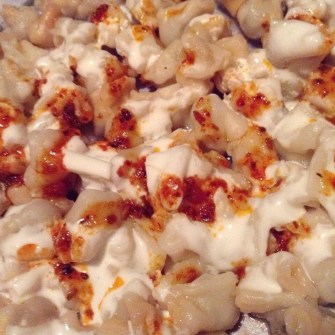
Manti are tiny little dumplings, filled with ground meat, similar to ravioli. Sheets of dough are rolled thinly and cut into small squares, then a small amount of filling is added and the sides pinched together, to form little dumpling parcels. The manti is then boiled and served covered in garlic yogurt with a spicy sauce, made from oil or butter and chili flakes.

Making it from scratch is a lot of effort, so when they decide to make it, women in Turkish villages invite each other around and they’ll sit in a group forming a little production line, gossiping whilst making hundreds of manti for their families.

I like it, as long as it’s not too soggy, but I still struggle with the concept of yogurt on dinner foods!


30 DAYS, 30 DISHES – DAY 16: ADANA KEBAB


Adana kebab is a spicy lamb kebab, named after the Turkish city. The meat is minced together with spices and pepper then moulded around a thick, flat skewer and grilled over coals. Usually served with with rice and salad, with sumac to add to the flavour!

I like this dish but sometimes find it a bit fatty/gritty, some are definitely made better than others.

30 DAYS, 30 DISHES – DAY 15: Çıntar

 
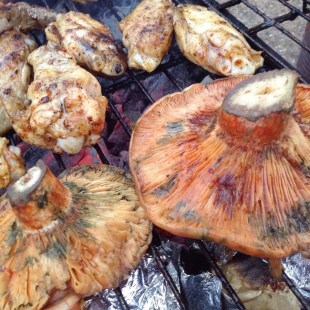
Çıntar mushrooms are a seasonal delicacy in Turkey. November/December are the months when these mushrooms are found in abundance. They grow around pine trees in forest areas, of which there are many in this region of Turkey! During these months you will find random cars parked up in the trees with people wandering around searching for the wild mushrooms. I’ve actually been foraging for çintar mushrooms in Denizli before too and we managed to fill a big bag, it’s quite satisfying when you find them!

The mushrooms are an orange colour and have quite a meaty texture and taste. The only way I’ve eaten them is cooked on a BBQ, and they are delicious!

According to google, the proper name for these mushrooms is Lactarius deliciosus, also known as Saffron Milk Cap mushrooms.

30 DAYS, 30 DISHES – DAY 13: KUNEFE

Kunefe is a popular, authentic Turkish dessert. It’s made from kadayıf (dried shredded dough which looks like shredded wheat) and cheese. It is covered in syrup and eaten straight out of the oven when hot, so the cheese is stringy and gooey but the pastry is crispy. It’s sometimes served with crushed pistachios, like the photo above.

The combination of cheese and syrup doesn’t sound like it would be good together, but it is!

It’s Berkay’s favourite Turkish dessert.

30 DAYS, 30 DISHES – DAY 9: Sütlaç


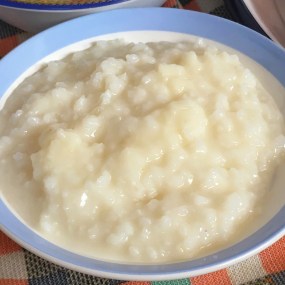
Sütlaç is Turkish rice pudding. There are two types – simple rice pudding cooked on the stove, and ‘fırın sütlaç’ – where it’s put in the oven afterwards to brown off, which gives it a different taste. It’s always served cold and can be flavoured with lots of different things, but usually vanilla. The first photo was a simple banana flavoured rice pudding made by Berkay’s aunt, the ones below are oven-baked rice pudding, vanilla flavoured with coconut on top.

I do like the taste, but the texture puts me off a bit, especially when it has the skin on!
 

30 DAYS, 30 DISHES – DAY 8: BAZLAMA


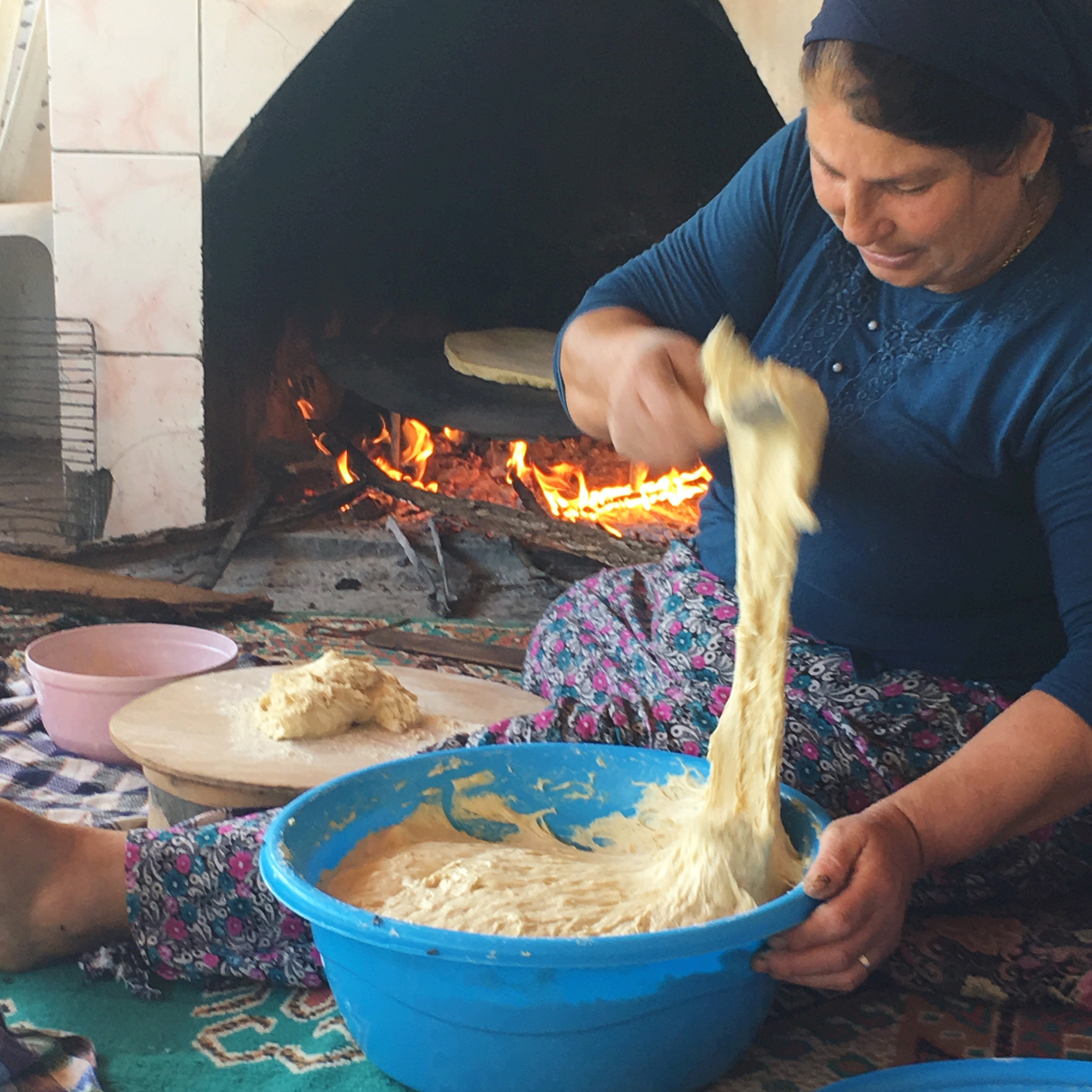
Bazlama is a kind of village bread. It’s big, round and flat. It’s quite heavy and thick, kind of like a cross between a naan bread and a crumpet? I can’t really explain, but it’s really yummy.

My favourite way to eat bazlama is at the gözleme stalls in Fethiye or Calis market. They slice the bread in half and fill it with your choice of filling, cheese is the most popular but I love cheese, tomato and chili flakes. It’s then cooked on a metal plate. It’s like a giant toastie! So delicious and so filling. One whole bazlama is definitely enough for two people and is usually served with salad or pickled vegetables.

Berkay’s stepmum made some bazlama bread from scratch while we were there in September – the family goes through so much bread that it’s cheaper to make their own sometimes!


30 DAYS, 30 DISHES – DAY 7: KAYMAK & HONEY


Kaymak is the Turkish version of to clotted cream, made using buffalo milk.

It’s thick, creamy and very rich! Its sometimes served as an accompaniment to desserts like künefe and tel kadayıf, but my favourite way to eat it is with honey.

It’s delicious served like this with honey for breakfast, along with some fresh bread to spread it onto. It’s often served as part of a Köy Kahvaltısı (village breakfast) in restaurants along with the usual olives, eggs, tomatoes, eggs, jams and various other goodies!

30 DAYS, 30 DISHES – DAY 6: Zeytinyağlı taze fasulye

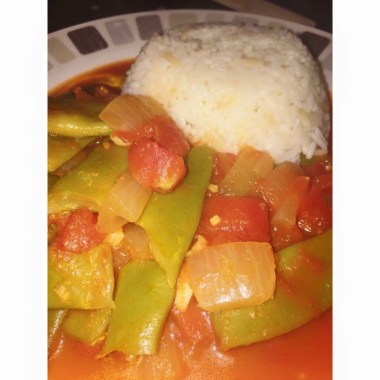
Zeytinyağlı taze fasulye is one of my favourite, simple Turkish dishes and it’s quite versatile. It can be eaten warm like a stew, eaten as a side dish with meat, served over rice or eaten cold along with other dishes as a meze.

It’s made with fresh green beans, tomatoes, tomato puree, peppers, onions, garlic and lots of olive oil. You can make it in large batches as it freezes well, and the olive oil means it last for a few days in the fridge too, and the flavour just gets better over time, making it delicious as cold leftovers too.

I love eating it warm in winter with fresh, crusty bread to mop it up with.

Meat is quite expensive in Turkey so a nice vegetarian dish like this is ideal, cheap and very easy to make. I have a recipe for it on my blog, click HERE to see that. In fact, writing this post has really made me want to make some soon so I think I’ll be buying some beans in the weekly shop!

30 DAYS, 30 DISHES – DAY 5: Türk kahvesi


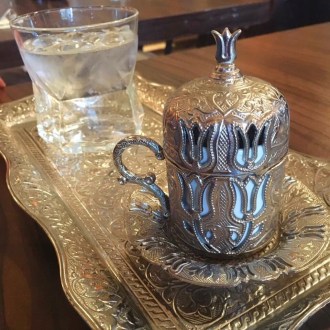
Turkish coffee is very strong and very thick black coffee. It’s unfiltered, so you really need to master the art of avoiding swallowing the grains at the bottom of the cup, otherwise it won’t be a very pleasant experience! It’s always served black, with a small glass of water, and is often accompanied by a piece or two of sweet Turkish delight.

It’s served in tiny, porcelain espresso cups, some of which have beautiful brass or copper cases, with intricate designs and patterns, making it look rather regal!

Turkish coffee has it’s own traditions. When a boy wants to marry a girl in Turkey, the boy and his family have to visit the girl’s family’s house to ask for their blessing in marriage. Whilst there, the potential bride will make Turkish coffee for the guests. Sometimes, she puts salt in the potential groom’s coffee, instead of sugar, and waits for his reaction. If he doesn’t react negatively, or show his disgust, it’s said to show his good character.

Turkish coffee also has fortune-telling abilities. After you finish your cup, turn it upside down on the saucer and wait for the grounds to form a pattern. Some people are able to read these grounds and interpret the meaning. Last year, when Berkay was awaiting the decision of his visa application, he had a BBQ with his friends. One of their wives made coffee and they sent a photo of the remaining grounds from the bottom of the cup to an app which reads them and tells you the meaning. The app said Berkay’s meant the following: “you’re waiting for some results and they’ll be on the doorstep tomorrow, it’ll be good news. You’ll be going on a long journey”.. and how right they were too, because the very next morning the visa arrived in his hands!!

30 DAYS, 30 DISHES – DAY 4: BEYTI KEBAB


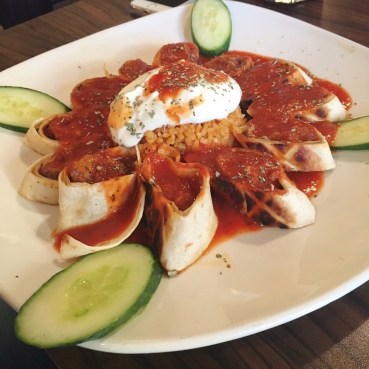
Beyti kebab is a popular kebab dish. Minced beef or lamb is cooked on skewers, then wrapped in thin lavaş bread (similar to tortilla wraps). It’s then sliced up into inch-thick pieces and arranged in a circle on a plate. A tomato based sauce is poured over the top, and yogurt placed in the middle. It’s a bit spicy, and usually served with rice. The combination of the rice and lavaş bread makes it very filling!

I’ve actually never had this dish in Turkey, but have in two different Turkish restaurants, one in London, one in Essex. It was served slightly differently in each place, one served it with peppers and tomatoes, and a thicker sauce, the other served it with cucumber.

It’s a good one to try – as long as you’re not put off by the sight of yogurt on your dinner plate. It took me years to get the hang of that!